
Tracing Jefferson County Former Owners Backward
Start with the newest recorded transfer on the parcel. Each parcel card row gives a date, document type, reported sale amount, and document number. Open that instrument. Read the grantor and grantee names straight from the deed itself. To find the prior owner, search the same legal description. Use that grantor's name in an earlier instrument. Dates and deed types shown here come from a Fort Atkinson sample parcel. The names must come from each linked document, not the card.
| Transfer Date | Grantor → Grantee | Deed Type | Book / Page Key |
|---|---|---|---|
| 06/19/2023 | Read instrument grantor → recorded grantee | WAR-DEED | Use the linked document number |
| 02/26/2020 | Read instrument grantor → recorded grantee | WAR-DEED | Use the linked document number |
| 11/27/2013 | Read transferor → named beneficiary | TOD-DEED | Use the linked document number |
| 06/04/2010 | Read trustee/party names from instrument | TRUST-DEED | Use the linked document number |
| 11/15/2006 | Read guardian and grantee names from instrument | GUARD-DEED | Use the linked document number |
Treat the parcel card's transfer list as a guide only. The complete chain must be confirmed in each deed image, with the legal description compared every time. A quitclaim, trust, transfer-on-death, guardian, or judgment entry can break a clean run of sale deeds.
Walking a Jefferson County Deed Chain Backward
Think of each deed as a handoff. Begin with the present grantee. Identify the grantor, then search that same person as grantee in the earlier transfer. Anchor the land itself with its legal description. One person can hold more than one Jefferson County parcel, and an entity name can appear in several forms. This approach follows the land through the grantor-grantee index. It avoids stacking up names that may not connect.
- Open the latest transfer from the parcel card and note its document date and number.
- Read the grantor, grantee, and full legal description in the instrument.
- Search the prior grantor as a grantee, matching the land description and parcel context.
- Repeat until a description changes, an estate transfer intervenes, or the index reaches its coverage limit.
- Grantor / grantee
- The party conveying an interest and the party receiving it.
- Chain of title
- The ordered record of transfers tied to the same land.
- Legal description
- The lot, plat, PLSS, or survey wording used to identify land.
How Far Jefferson County Owner Indexing Reaches
Jefferson County describes its indexing coverage in layers. County-facing information reports deed images back to November 21, 1838. The public deed service offers grantor-grantee and tract indexing from 1983 forward. The Land Information Plan notes that documents before 1997 depend on legal-description indexing. County committee materials describe back-indexing efforts toward 1957. Those dates do not guarantee an online name search reaching the earliest image.
When the name index runs out, switch to the tract description, plat, book and page citation, or a known document number. The county has stated a goal of improving name searching for older records. It also aims to improve legal-description searching. Check the exact cutover with the Register of Deeds before calling any chain complete.
Coverage note. The image date is deeper than the verified online name-index start. For an older link, ask the Register of Deeds about tract-index and book access.
Jefferson County Deed Index Search Routes
The Register of Deeds index supports several search routes. Options include control number, party name, book and page, reference number, "refers to," and instrument type. A marriage search covering 1992 to present is listed too. But it sits in a separate index and is not a land conveyance. For former owners, party name often works well once the parcel card supplies the current transfer number. The reference route helps when a later instrument cites the earlier document.
The landing screen does not display every field for each mode. Pick a route and read the live prompts, then keep the exact key and date. Results are only pointers. The PDF image and legal description confirm that a same-name grantor actually conveyed this parcel. The Jefferson County deed index is the official starting screen.
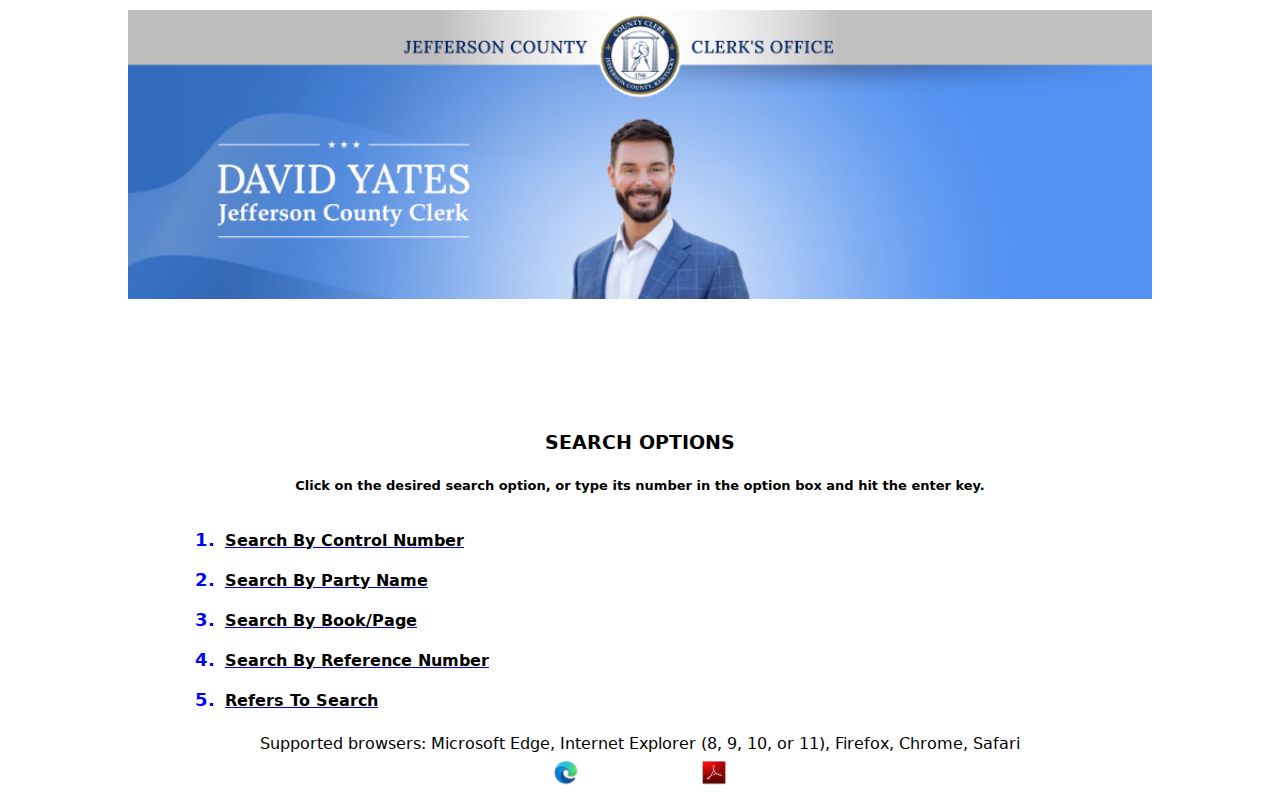
Match the search mode to the document key already in hand rather than repeating a broad party search.
Jefferson County Older Deeds and Plats
The county's subdivision and CSM finding aid runs 228 pages. It lists plat names with recording document numbers. Entries for Fort Atkinson, Jefferson, and Watertown cover original plats, additions, condominium phases, river-side labels, and re-plats. A deed may describe land by lot and block within one of these plats. The current address can even seem unrelated.
Copy the exact subdivision wording from the parcel card. Search the finding aid for that phrase. Then use the document number to pull the recorded plat. The county GIS subdivision layer shows where the plat sits today. The plat image and the deed remain the evidence for the historic description. Fidlar Tapestry offers another land-record image route, though access may be account-based or per use.

Write down the plat name and number before asking the Register of Deeds for an older image.
Jefferson County Probate and Death Transfers
An owner's death can move land in several ways. Options include a personal-representative deed, transfer-on-death deed, trust conveyance, survivorship transfer, or court-authorized sale. The recorded deed or affidavit is the land record. A death certificate confirms the event but conveys nothing. WCCA can locate a Jefferson County probate case. The Clerk of Courts holds the file and certified copies.
Recent vital-record copies carry eligibility limits. Wisconsin DHS issues certificates, and eligible local Register of Deeds offices act as registrars too. For older family-history work, Wisconsin Historical Society indexes and local county collections help. A probate file, a deed image, and a vital record each answer a different part of the same timeline. Each record covers one piece of it. The Wisconsin court case search page links to WCCA's public index; use the case number when requesting a file.
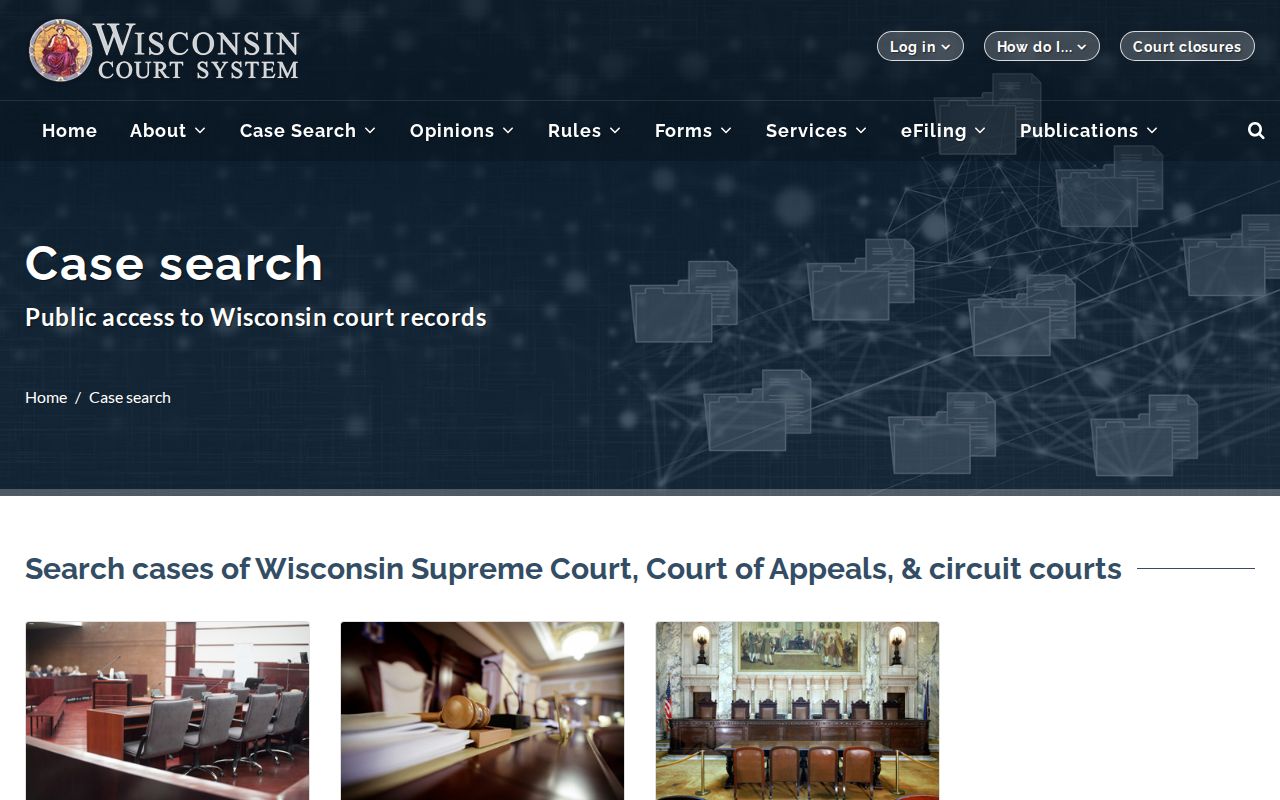
Set any court event beside the recorded instrument that actually changed the parcel record.
For family-history context, the Wisconsin DHS vital-record instructions explain certificate requests, identification rules, and eligibility.
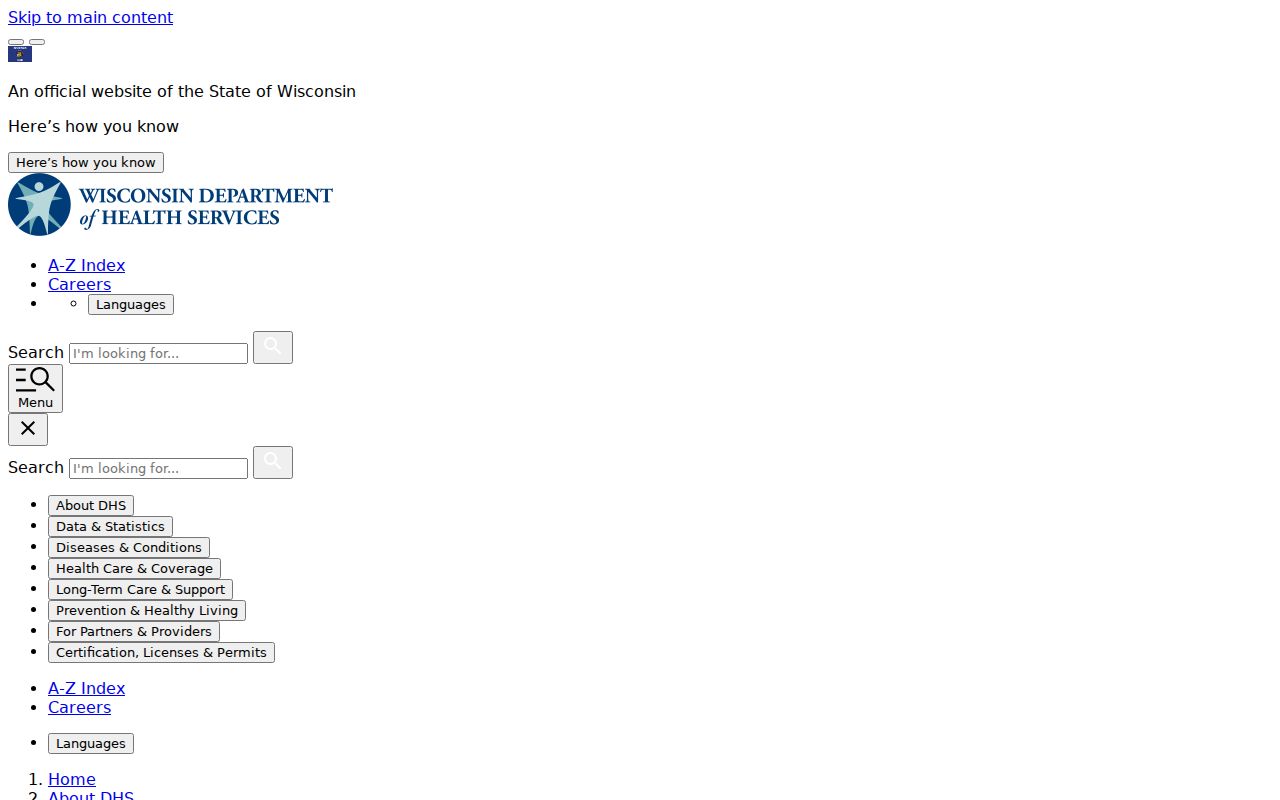
A death certificate proves the event. Only a recorded deed proves the transfer of land.
Heirs looking for a separate financial asset can also try Wisconsin's unclaimed property search. That database, though, says nothing about who owns real estate.
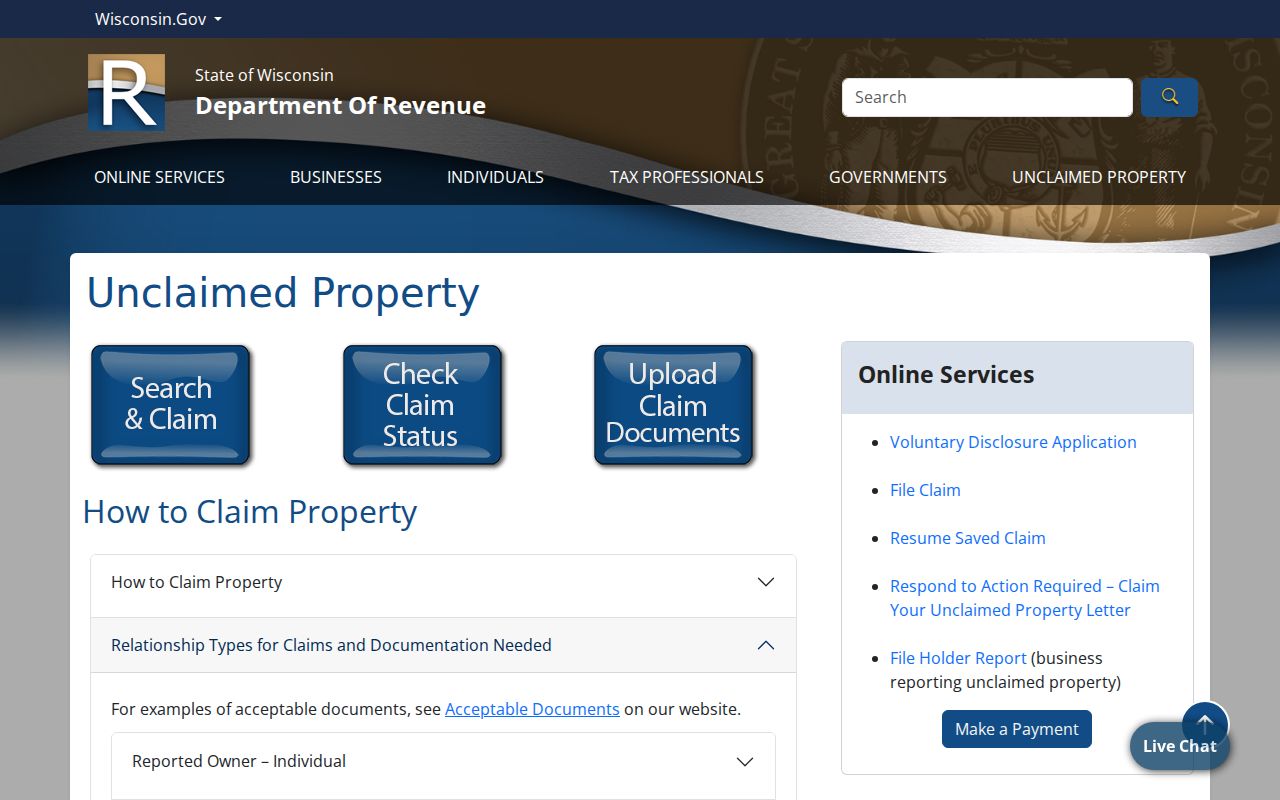
Keep unclaimed financial assets separate from the parcel’s deed history.
Jefferson County Newspaper and Archive Clues for Former Owners
Sometimes a name or address appears nowhere in a deed. Local history fills the gap. The Dwight Foster Public Library holds Daily Jefferson County Union microfilm from 1870 to the present. It also holds Fort Atkinson Herald issues from 1872 to 1873, plus census microfilm covering 1840 through 1930. Dated newspaper copies arrive by email at no charge. Mailed paper copies carry a per-page reimbursement plus postage.
The Jefferson Historical Society's online catalog holds more than 27,000 entries, filterable by type, decade, region, and street. Few items are digitized. The library, museum, and genealogical society all help in person or by request. Turn a directory or newspaper clue into a likely prior owner's name. Then confirm the link in the deed and plat records.
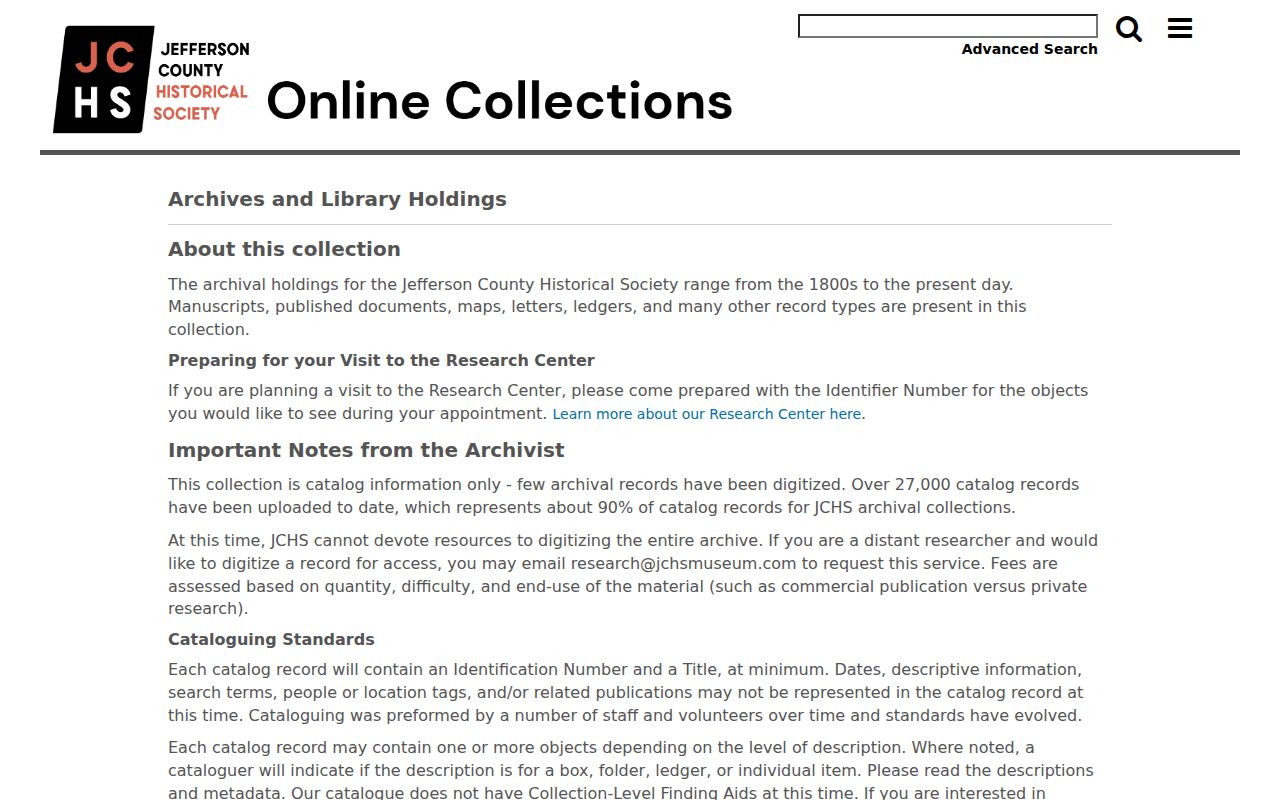
Catalog entries are only leads. Request the item itself, and confirm any property connection in the recorded documents.
The library genealogy page describes local newspaper and census holdings.
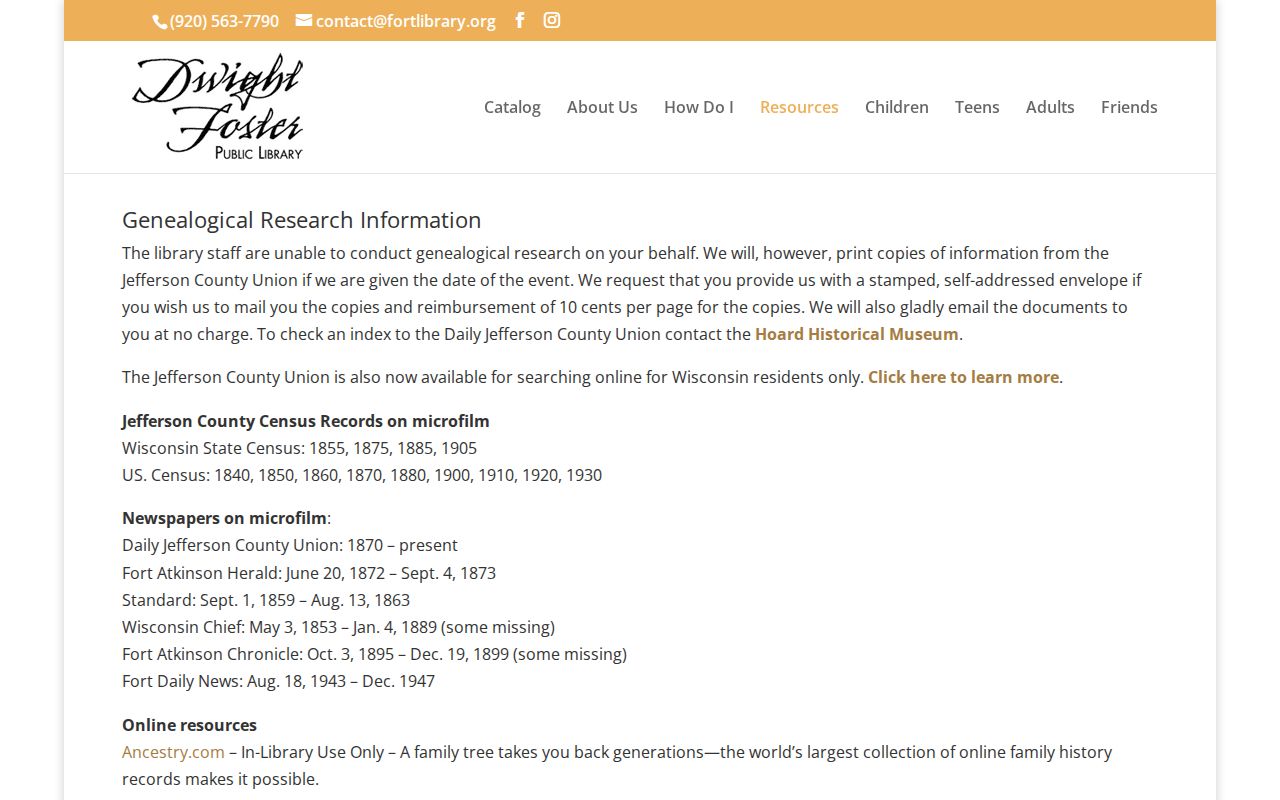
Newspaper context helps explain a deed entry, but the recorded instrument itself remains the ownership link in Jefferson County property records.
Jefferson County Vital History Access
Wisconsin sets its own year limits for historical vital-record access. Birth records run through September 30, 1907. Death records extend through 1971, plus any record 50 years old. Marriage records reach 1967, and divorce records cover 1907 to 1967 for in-person genealogy research. The Wisconsin Historical Society supplies indexes and microfilm for older events. Recent certificates require identity documents. Some also demand proof of direct and tangible interest or similar eligibility.
Use these materials to interpret a surname change, an estate event, or a family relationship tied to a Jefferson County parcel. A certificate is not a deed. Pair the vital date with probate data and recorded transfer data. That pins down when the land actually changed hands. The state's genealogy access rules lay out the public history route.
Vital access years can guide family research while deed records establish the property transfer.
Documenting a Jefferson County Chain
Build one row per transfer. Record the date, grantor, grantee, deed type, book/page or control number, and legal description. Note which office supplied each item. Mark whether it came from an index result or a full image. An estate or trust may break the sequence. Add the probate case or instrument reference instead of forcing the chain into a sale-only list. Jefferson County former owners often include grantors who moved property through a trust, estate, or survivorship filing. Keep the instrument type beside every name.
Check name matches carefully. Compare municipality, parcel number, and land description before adding an entry to the chain. A changed legal description signals a plat, CSM, split, or consolidation worth tracing. An incomplete chain should be marked as a known gap. Guessing an ownership link is worse than recording the hole honestly. For previous owners, a partial chain still preserves the document references. It also flags the missing period. The Jefferson County deed-record route covers single-instrument searches and copy access.